
The Basics
Understanding Scratch and Chip Damage
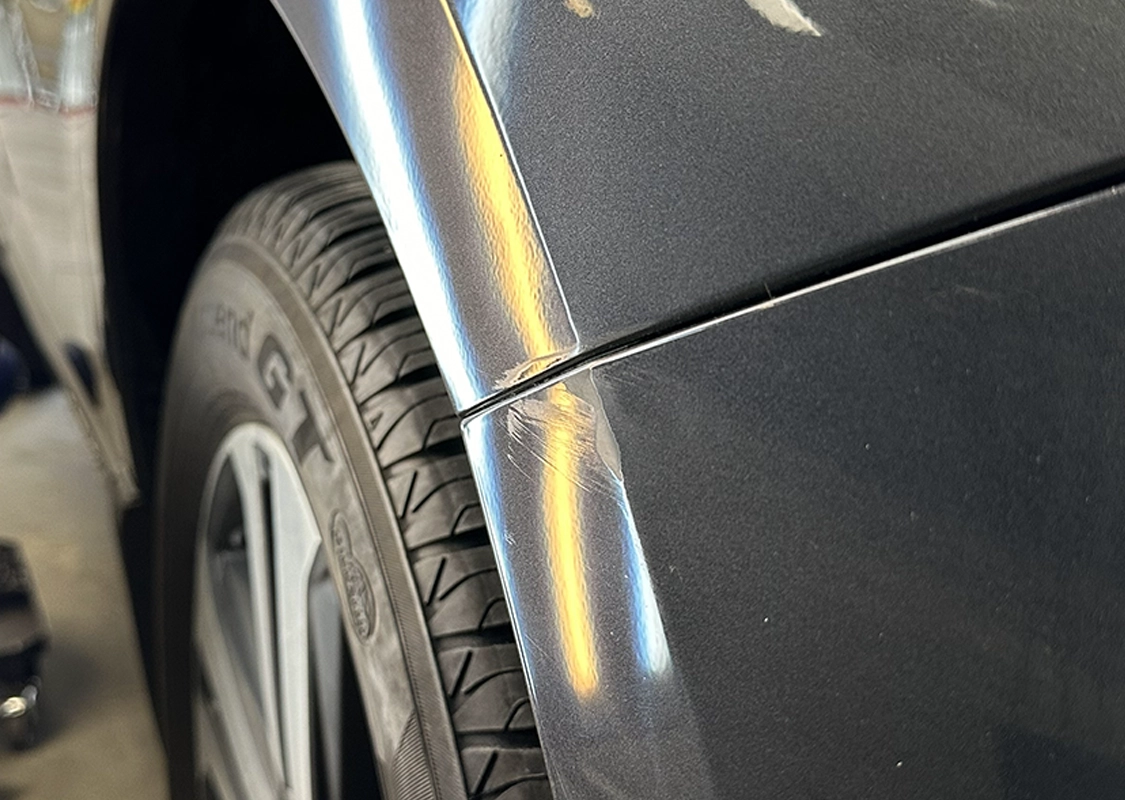
Not all scratches are the same, and the repair approach depends entirely on how deep the damage goes. A clear-coat scratch, the most common type, only affects the outer protective layer and hasn’t reached the actual paint color underneath; these can often be polished out without any paint applied at all. A base-coat scratch has gone through the clear coat into the colored paint layer itself and needs touch-up paint and a fresh clear coat to fully repair. A scratch or chip that reaches the primer or bare metal is the deepest category, and if left untreated, exposed metal can start to corrode, so these need prompt attention along with color-matched paint and clear coat to both look right and protect the panel going forward. Rock chips typically fall into this deeper category since they’re caused by direct impact rather than a dragging scratch. Understanding which category your damage falls into matters because it directly determines both the repair method and the cost, and it’s the first thing we check during any car scratch repair assessment rather than quoting blind over the phone.
Cost Factors
What Affects Scratch and Chip Repair Pricing
Pricing for auto scratch repair depends on a handful of factors that vary from job to job. Depth is the biggest factor, since a clear-coat-only scratch that just needs polishing costs far less than a scratch reaching bare metal that requires full color-matched paint and clear coat. Length and location matter too; a short scratch on a flat panel is quicker to blend than a long scratch that wraps around a body line or crosses multiple panels. Paint type also plays a role, since some factory colors, particularly metallics, pearls, and certain custom or tri-coat finishes, take more time and skill to match precisely than a standard solid color. We provide a specific quote after assessing your vehicle’s actual damage and paint type rather than a flat rate that doesn’t account for these differences, since two scratches that look similar in a photo can require very different amounts of work depending on what’s actually happened to the paint underneath.
How It Works
Our Scratch and Chip Repair Process
Every repair starts with an honest assessment of scratch depth, since that determines exactly what work is needed.
Why It Matters
Why Avoid a Full Respray
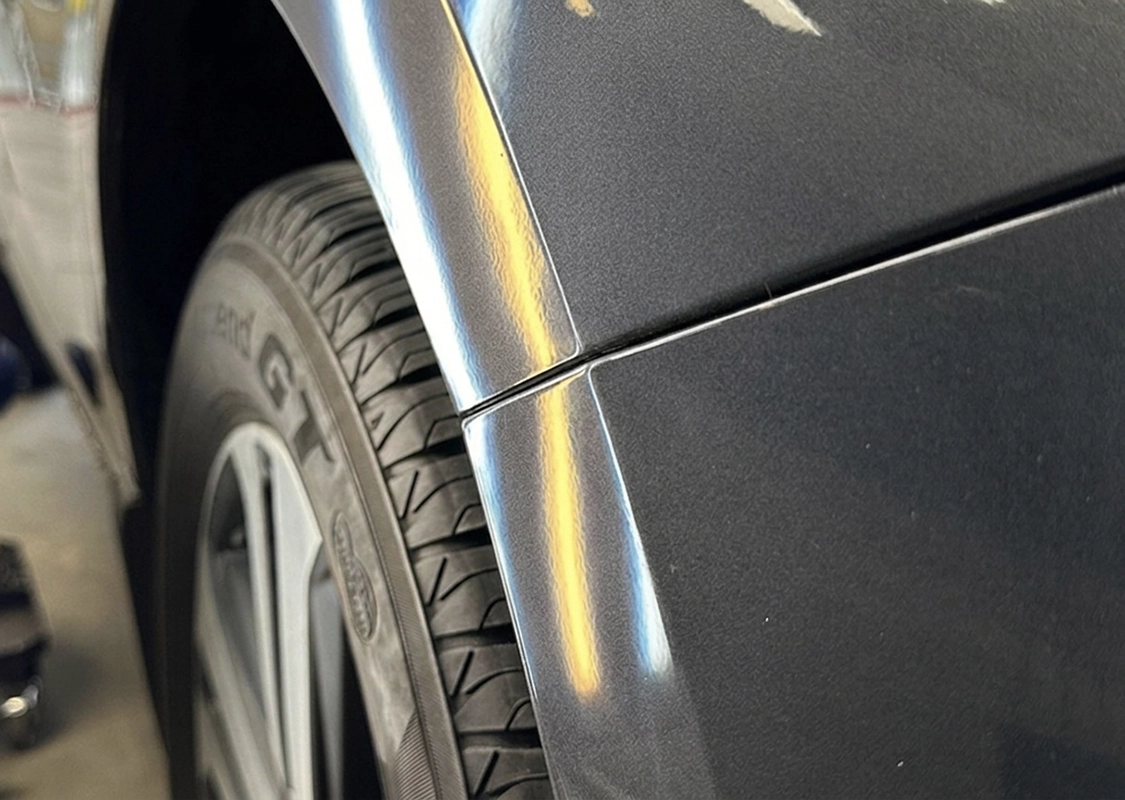
A full panel respray means stripping or sanding the entire panel and repainting it top to bottom, which takes considerably longer and costs more than a targeted repair, even when the actual damage is limited to a small scratch or chip. Spot and blend repair techniques let us match color and repair the specific damaged area, feathering the edge into the surrounding factory paint so the repair isn’t visible, without repainting the whole panel unnecessarily. This approach is faster, less expensive, and preserves more of your original factory finish, which matters for both appearance and resale value. A full respray is really only necessary when damage covers a large portion of a panel or when multiple deep scratches make a blended spot repair impractical, which is the exception rather than the rule for most vehicle scratch repairs we see come through the shop.
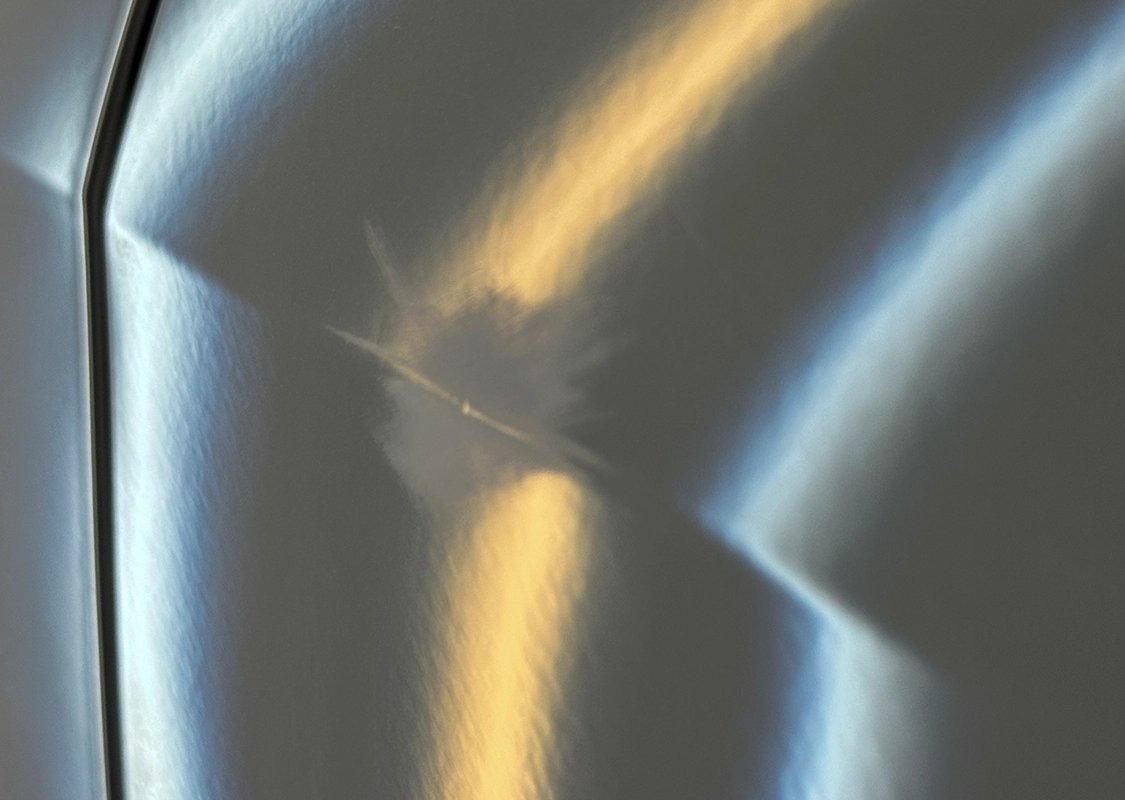
Car Scratch & Paint Chip Repair
Contact us with a photo of your scratch or chip and we’ll assess the damage and provide a repair quote.
What We Fix
Types of Damage We Repair
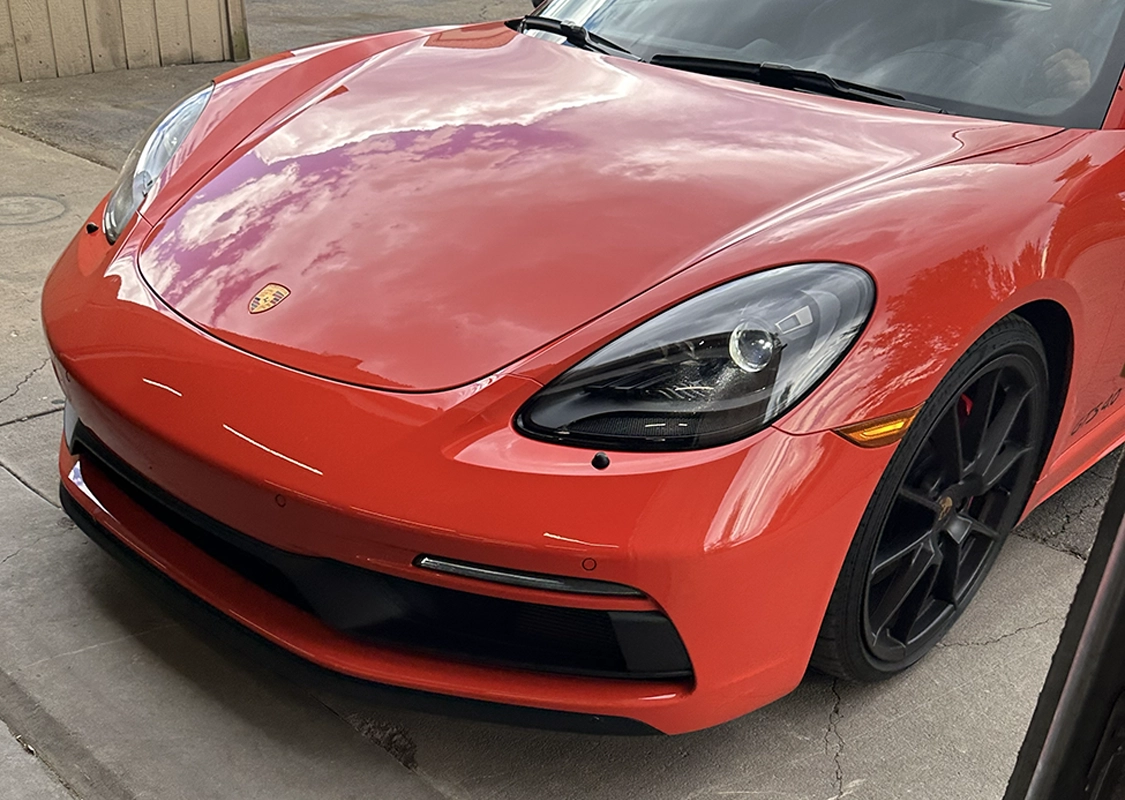
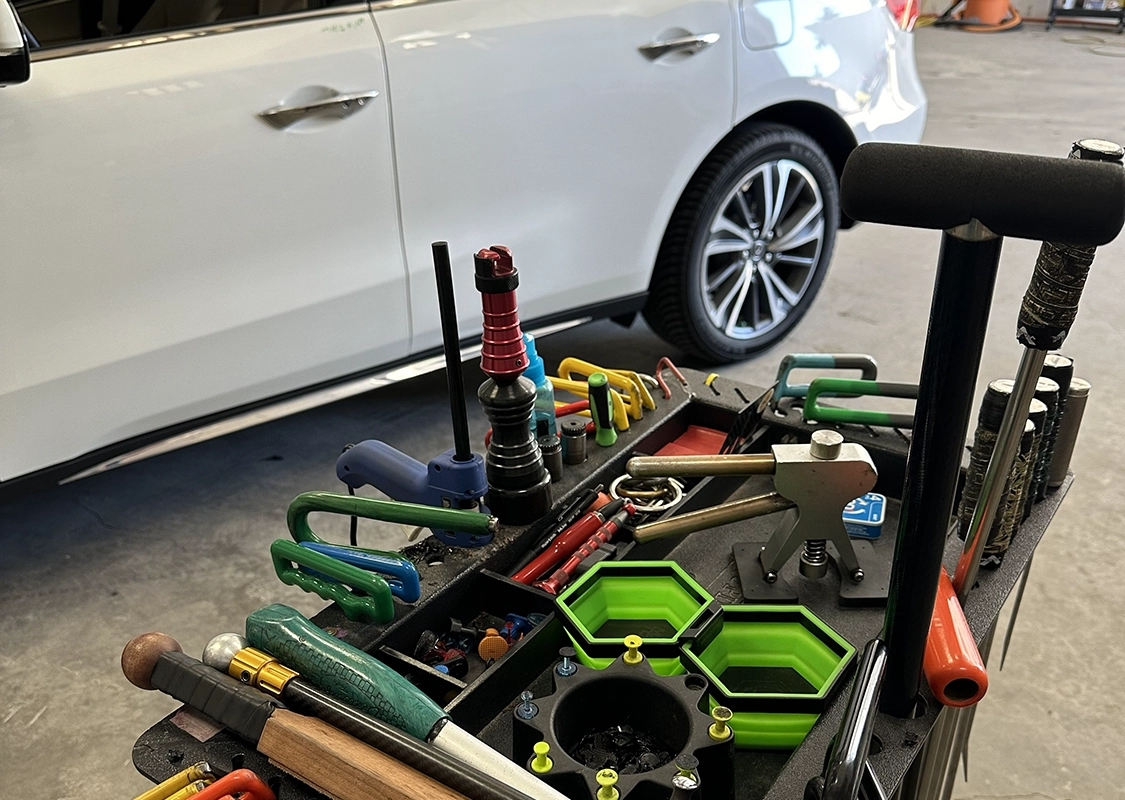
We repair single and multiple scratches, rock chips, door edge scuffs, key scratches, and shopping cart scuffs across most vehicle makes and models. Bumper scuffs and scrapes, common from tight parking situations, are also a frequent job, since bumper covers are typically plastic and respond well to color-matched spot repair. For scratches that happen alongside a dent, such as a door ding that also scuffed the paint, we can often address both the dent and the scratch in the same visit, coordinating paintless dent repair for the dent with color-matched touch-up for the paint damage.
DIY vs Professional Repair
Why Touch-Up Pens and DIY Kits Often Fall Short
Touch-up paint pens and DIY scratch repair kits are widely available and can be tempting for a small chip or scratch, but they often produce an uneven finish that’s clearly visible once you step back and look at the panel in daylight. Matching a factory color exactly requires more than picking the closest paint code off a chart; factors like the vehicle’s specific production batch, UV fading over time, and the difference between how a pen applies paint versus a proper blended spray can all leave a DIY repair looking slightly off. A rushed DIY repair on a chip that’s reached bare metal can also trap moisture under the touch-up layer, which sometimes leads to worse corrosion than if the chip had been left alone and properly repaired later. Professional color matching and spray application, followed by proper clear coat and cure time, is what actually makes a repair blend invisibly into the surrounding factory paint.
Prevention
Reducing Future Scratch and Chip Damage
While no vehicle is fully immune to scratches and chips, a few habits reduce how often they happen. Parking farther from other vehicles and away from shopping cart corrals cuts down on the most common source of parking-lot scuffs and key scratches. A paint protection film on high-impact areas like the front bumper, hood leading edge, and mirror caps helps absorb rock chip impacts from highway driving before they reach the factory paint at all. Regular washing also matters more than people expect, since dirt and grit sitting on the surface can create fine scratches, sometimes called swirl marks, simply from normal contact during driving or even from an improper wash technique. None of this eliminates the need for car paintwork scratch repair entirely, but it does reduce how often you’re dealing with it.
Coverage Area
Car Scratch & Paint Chip Repair Across the Denver Metro
We repair car scratches and paint chips throughout Denver and the surrounding Front Range, including Aurora, Lakewood, Arvada, Westminster, Thornton, Centennial, Littleton, Highlands Ranch, Parker, Castle Rock, and Colorado Springs. Most single-panel scratch and chip repairs can be scheduled quickly, and many are completed the same day depending on cure time for the specific repair.
Car Scratch & Paint Chip Repair FAQ — Denver
Can a scratch be fixed without repainting the whole panel?
In most cases, yes. Spot and blend repair techniques let us color-match and repair just the damaged area, feathering the edge into the surrounding paint without a full panel respray.
How do I know if my scratch is just clear coat or deeper?
Run your fingernail lightly across the scratch. If you don’t feel a groove, it’s likely clear-coat only. If you can feel the scratch or see the actual paint color has changed, it has gone deeper and needs paint, not just polishing.
Should I worry about a rock chip down to metal?
Yes, it’s worth addressing promptly. Exposed metal can start to corrode over time if left untreated, so a chip reaching primer or bare metal should be color-matched and sealed sooner rather than later.
How long does scratch or chip repair take?
Many single-panel repairs are completed the same day, though deeper repairs involving paint and clear coat need time to properly cure before the vehicle is ready.
Can you fix a scratch and a dent on the same panel in one visit?
Often, yes. We can coordinate paintless dent repair for the dent with color-matched scratch or chip repair for the paint damage in the same appointment.
Get Started
Get Your Scratch or Chip Repaired
Whether it’s a single key scratch or a handful of rock chips you’ve been meaning to deal with, contact us with a photo and we’ll assess the damage and quote a color-matched repair. In most cases, there’s no need for a full respray, and your car keeps as much of its original factory finish as possible.