
The Basics
Does Insurance Cover Hail Damage?
In almost all cases, yes. Hail damage is covered under comprehensive auto insurance, which is the portion of your policy that covers non-collision events like weather, theft, and falling objects. If you carry comprehensive coverage, which is optional but common, especially on financed or leased vehicles, hail damage to your vehicle’s exterior is covered. Comprehensive coverage does not require the other party to be at fault, since there is no other party in a hailstorm, which means a hail claim is processed differently than a collision claim from the start. Liability-only policies, which some drivers carry on older, fully paid-off vehicles, do not include comprehensive coverage and would not cover hail damage, so it’s worth confirming exactly what coverage you carry before assuming a claim is possible. If you’re financing or leasing your vehicle, your lender or leasing company typically requires comprehensive coverage as a condition of the loan or lease, so most drivers in that situation already carry the coverage needed for a hail claim without realizing it.
What’s Covered
What Exactly Does a Hail Claim Cover?
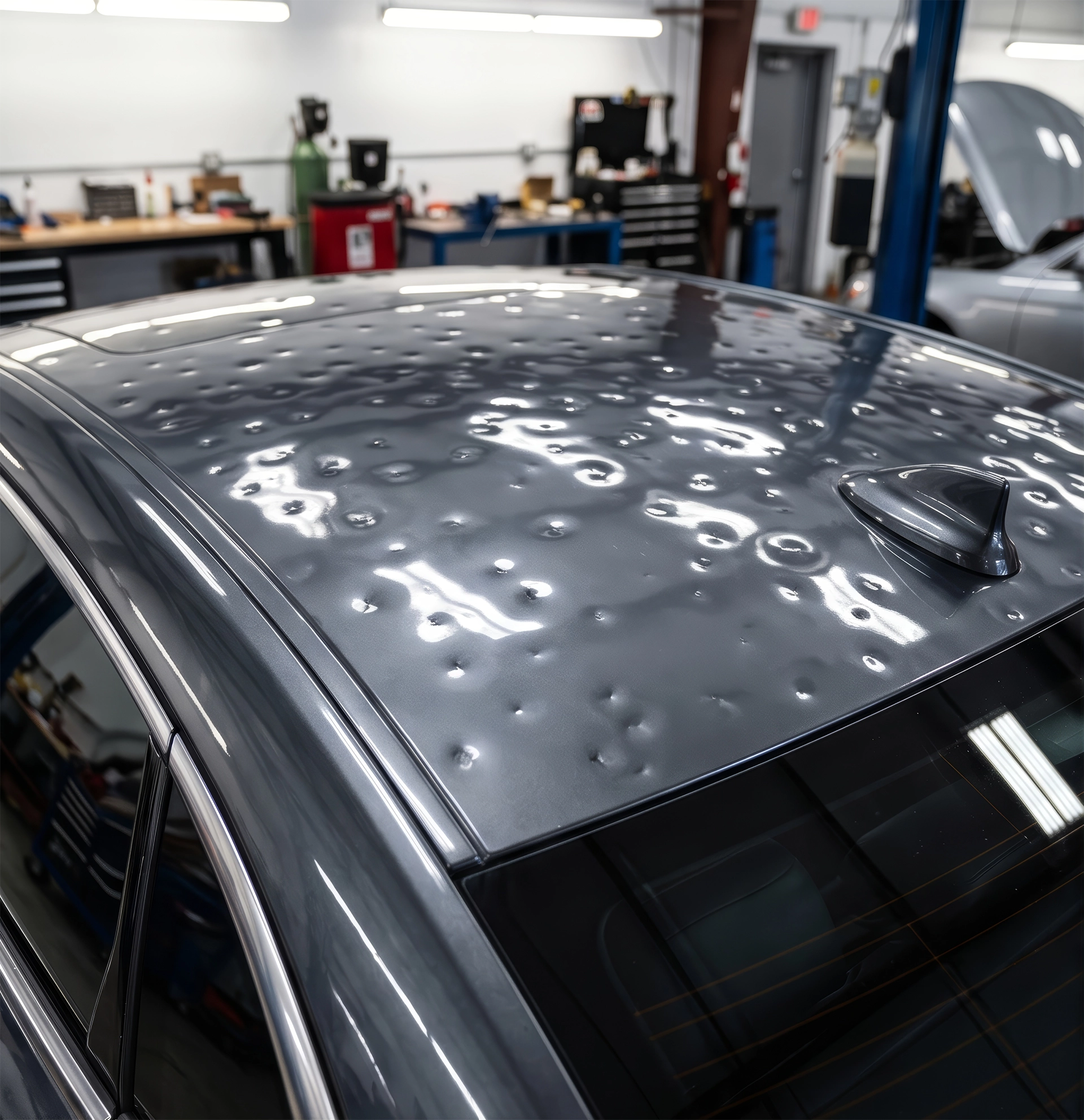
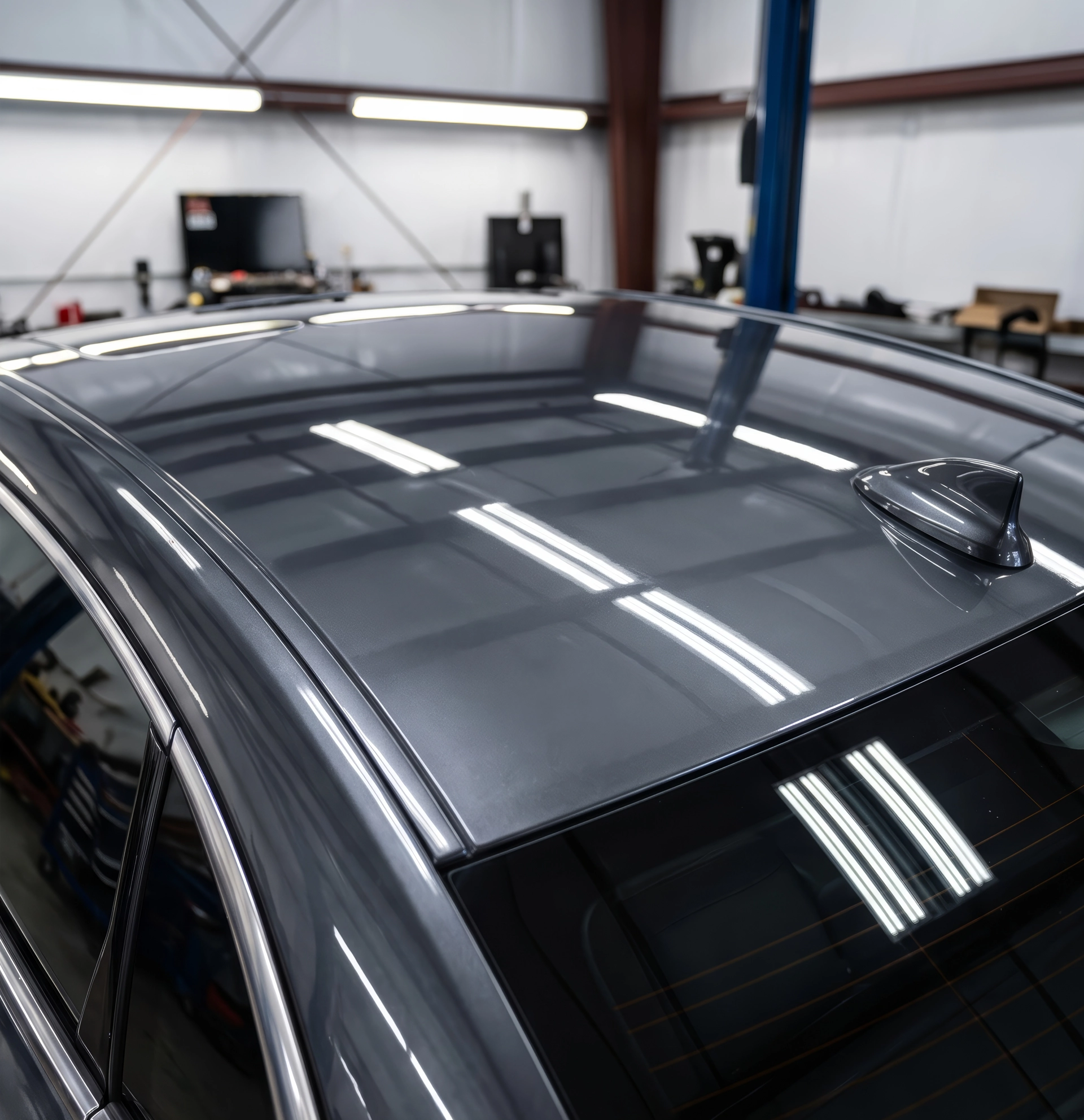
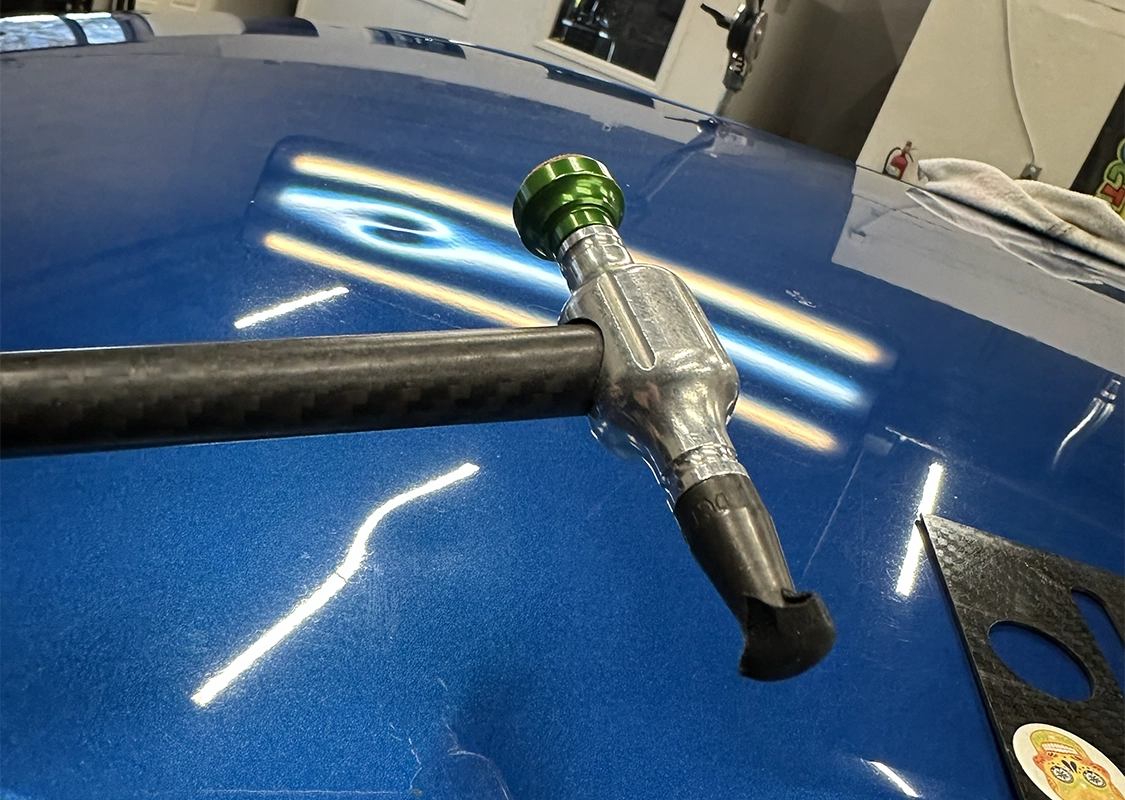
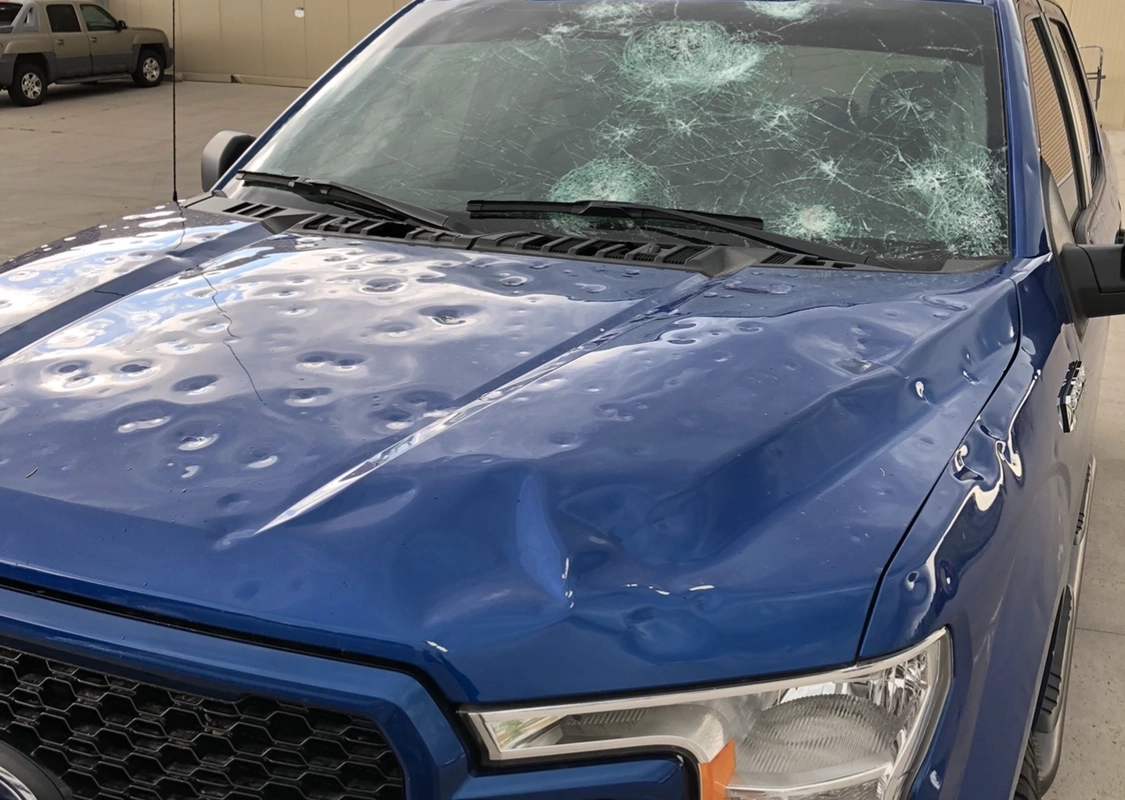
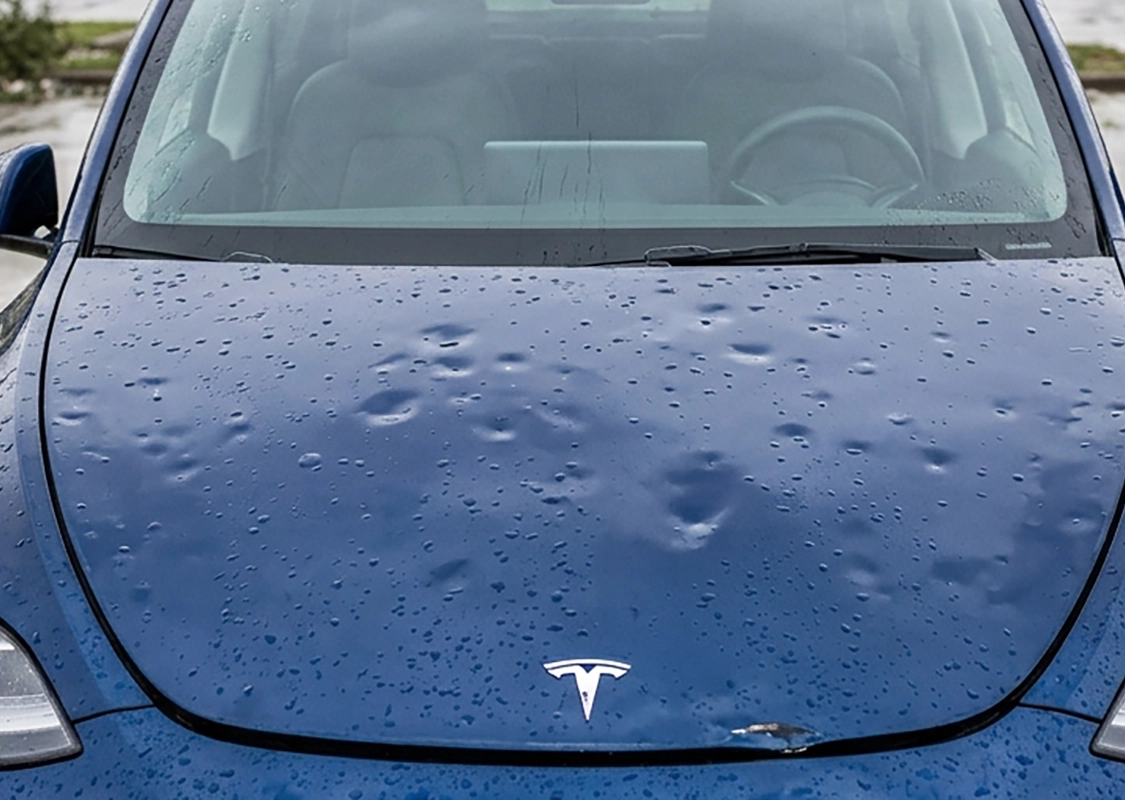
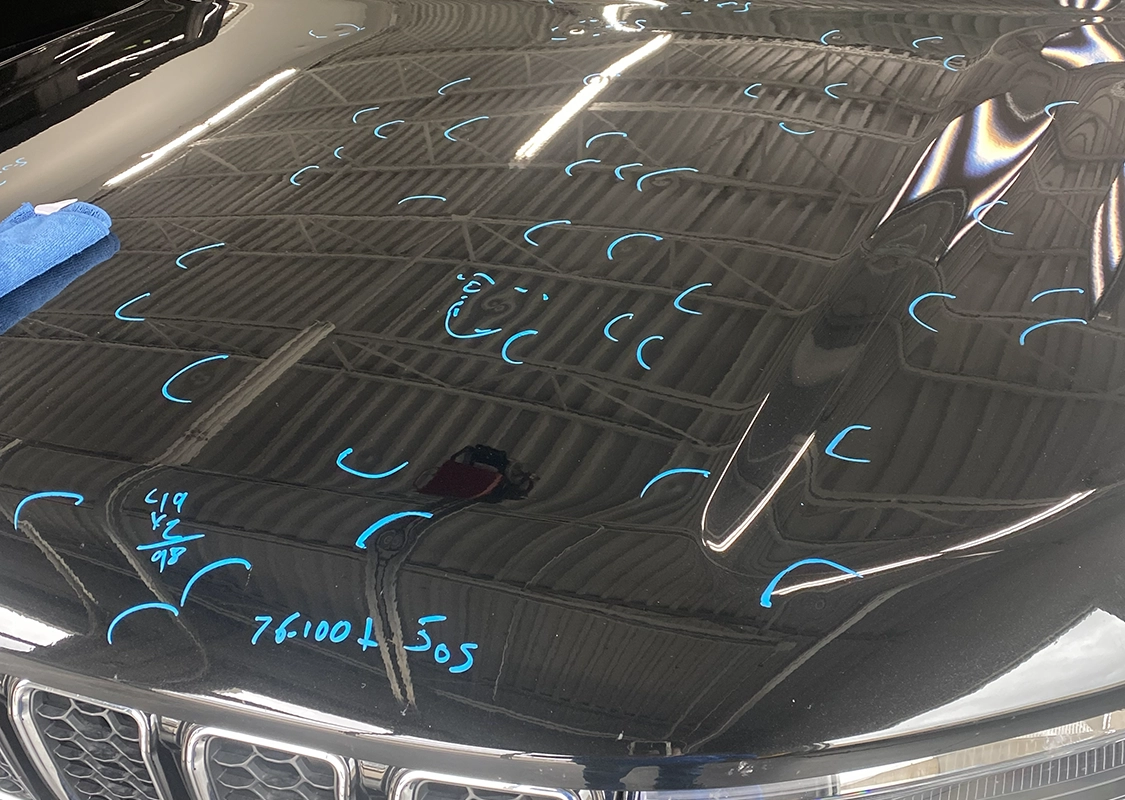
A hail damage insurance claim covers the repair cost for exterior body panels affected by the storm, including dents on the hood, roof, trunk, doors, and fenders, as well as any glass damage like a cracked windshield if applicable, though glass coverage sometimes falls under a separate comprehensive glass provision depending on your policy. It generally does not cover interior damage, mechanical issues, or pre-existing damage unrelated to the storm, which is part of why an accurate, dated set of photos taken shortly after the event matters if your claim is ever questioned. Rental car coverage during the repair period depends on whether you carry rental reimbursement coverage as a separate policy add-on; it isn’t automatically included with comprehensive coverage itself.
Should You File?
Should I Claim Hail Damage on My Car?
Whether to file a hail damage insurance claim comes down mostly to comparing your deductible against your likely repair cost. If your repair estimate is lower than your deductible, filing a claim doesn’t make financial sense, since you’d be paying the full amount out of pocket either way, minus the hassle of involving your insurer. If your repair estimate is meaningfully higher than your deductible, filing generally makes sense, since your insurer covers the difference. For damage that’s borderline, close to your deductible amount, it’s worth getting an actual repair estimate before deciding either way, rather than guessing based on how bad the damage looks from a distance. A free hail damage inspection can give you real numbers to base that decision on. It’s also worth weighing how long you plan to keep the vehicle: if you’re planning to sell or trade in soon, a properly repaired hail claim through paintless dent repair doesn’t hurt resale value the way visible unrepaired damage or a body-shop repaint might, which can factor into whether filing is worth the effort even on borderline damage.
Rates & Fault
Will Filing a Hail Claim Raise My Rates?
This is one of the most common concerns we hear, and the short answer is that a hail claim is generally treated differently than an at-fault accident claim. Comprehensive claims, including hail damage, are typically classified as no-fault, weather-related events rather than claims that reflect your driving behavior. That means a single hail claim usually does not raise your individual premium the way an at-fault collision claim would. That said, rates across an entire region can shift after a major hailstorm affects a large number of policyholders at once, which is a broader market adjustment rather than a penalty tied to your individual claim. If you’re unsure how filing might affect your specific policy, it’s worth asking your insurer directly rather than assuming based on general information, since policies and state regulations vary. Some drivers also worry that filing multiple comprehensive claims over several years could affect them differently than a single claim; while comprehensive claims are treated more favorably than at-fault claims overall, a pattern of frequent claims of any kind is something individual insurers may factor into renewal decisions, so it’s reasonable to ask your specific carrier about their policy if this is a concern for you.
Your Deductible
What Your Deductible Actually Costs
Your deductible is the amount you’re responsible for out of pocket before your comprehensive coverage kicks in, and it applies per claim rather than annually. Deductible amounts vary by policy, typically ranging from a few hundred to around a thousand dollars, and some policies offer a lower deductible specifically for comprehensive claims like hail compared to collision claims. Once your deductible is met, your insurer covers the remaining approved repair cost, which is part of why a severe hail claim totaling several thousand dollars can still cost you only your deductible out of pocket. If you’re not sure what your specific deductible is, checking your policy declarations page or calling your insurer directly is the fastest way to find out before you commit to filing.
How It Works
How to File a Colorado Hail Claim
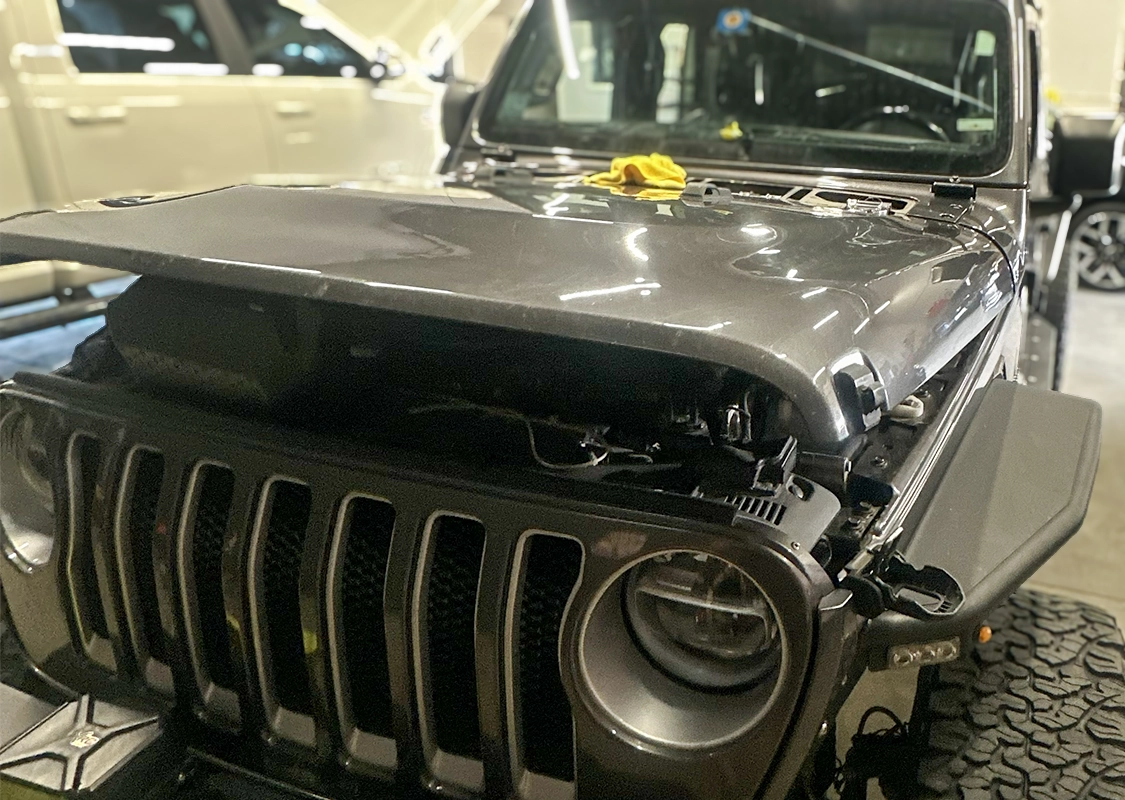
Filing a hail claim follows a fairly consistent process across most major carriers.
Hail Damage Insurance Claims
Contact us for a free claim review before you file, or to get your damage documented for an active claim.
Watch Out For
Storm-Chaser Warning Signs
After a major hailstorm, Colorado sees an influx of temporary repair outfits that follow the damage from state to state, setting up in parking lots and taking on as many jobs as possible before moving to the next affected region. A few warning signs are worth knowing. Be cautious of anyone going door to door or approaching you in a parking lot immediately after a storm, especially if they pressure you to sign an authorization on the spot. Ask directly how long a company has operated in Colorado and whether they have a permanent local address, not just a temporary staging lot. Be wary of guarantees like “no deductible” or “$0 out of pocket,” which can sit in a legal gray area depending on how they’re structured, and ask specifically how that claim is possible before assuming it’s a straightforward discount. A legitimate local shop should be able to answer these questions directly without hesitation. It’s also worth checking whether a company has any local reviews or an actual physical shop you can visit, rather than only a phone number and a mobile setup, since a shop with nothing permanent behind it has little incentive to stand fully behind a warranty once the season ends.
Supplements
When Your First Estimate Isn't the Final One
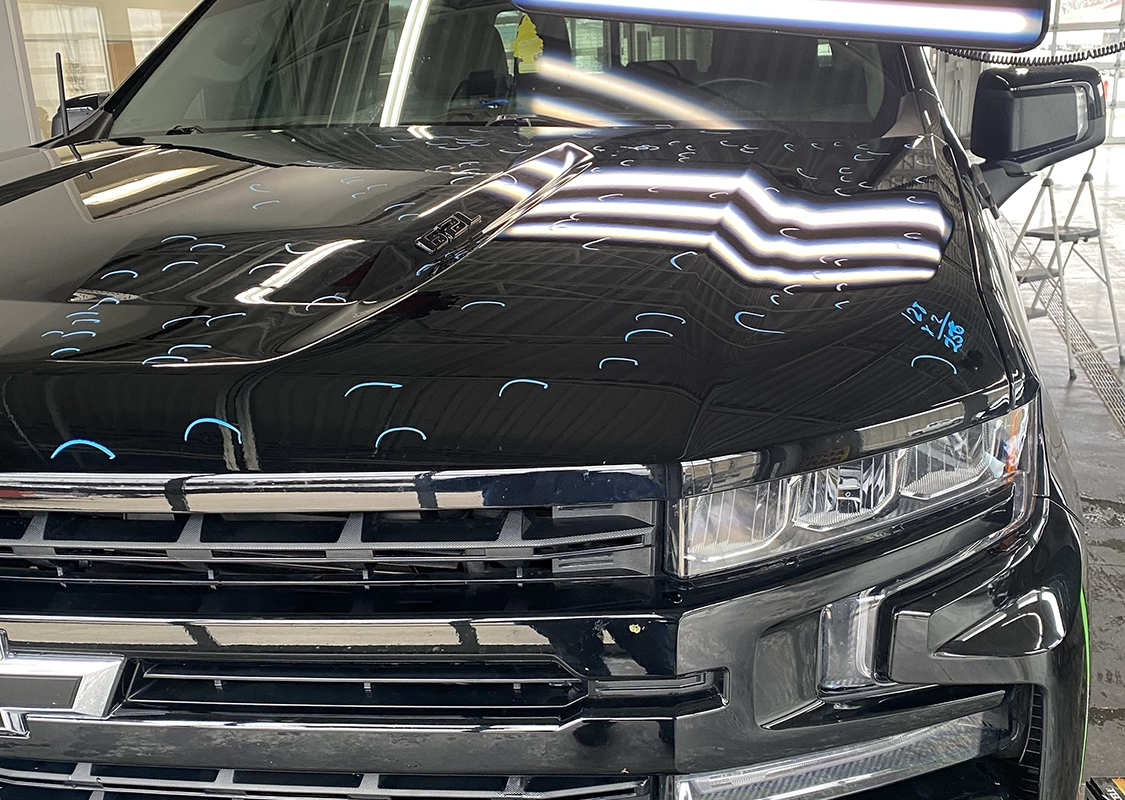
It’s common for the first estimate on a hail claim, whether from your insurer’s adjuster or an initial inspection, to miss some of the actual damage, particularly on the roof and trunk where dents are easy to underestimate from ground level. If additional damage is found once the vehicle is actually being repaired, a supplement request can be submitted to your insurer to cover the additional approved amount. This is a normal part of the claims process rather than a sign anything went wrong with your original claim, and it’s part of why a thorough initial inspection matters: the more complete your documentation is upfront, the less likely you are to need a supplement later, and the faster your claim moves overall.
Your Rights
Your Right to Choose Your Own Repair Shop
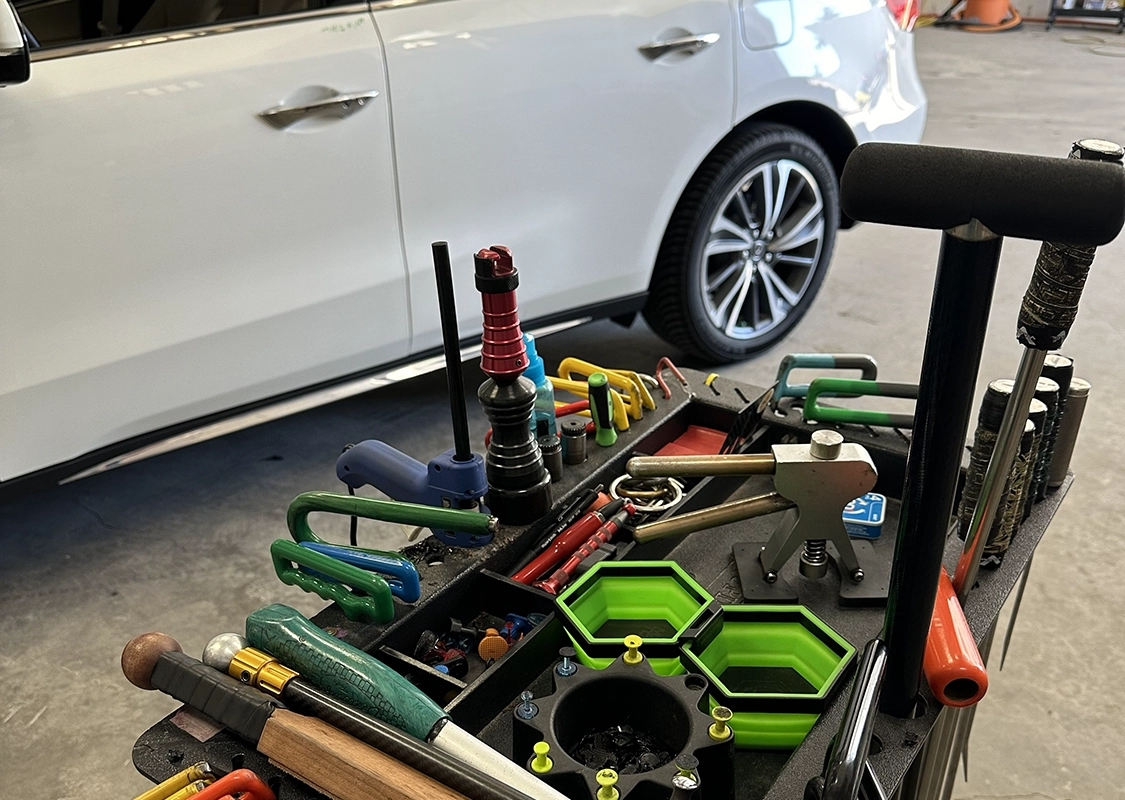
As the vehicle owner, you have the legal right to choose your own repair shop regardless of which shop your insurance company recommends or has a relationship with. Insurers sometimes suggest a “preferred” or “direct repair” shop, and while there’s nothing wrong with using one if you’re comfortable with it, you’re never required to. This matters especially after a major storm, when insurer-recommended shops can be backed up for weeks given the volume of claims coming in at once, while an independent local shop may be able to get you scheduled sooner. Your insurer is required to work with whichever licensed shop you choose, and choosing a different shop than the one initially suggested does not affect your coverage or your claim approval.
Insurance Billing
How Direct Insurance Billing Works
When you choose a shop that bills your carrier direct, the shop invoices your insurance company for the approved repair amount minus your deductible, rather than you paying the full repair cost upfront and waiting for reimbursement. This is standard practice with most established repair shops and most major carriers, and it removes a significant amount of friction from the claims process, since you’re not fronting potentially thousands of dollars while paperwork gets sorted out. To bill direct, a shop typically needs your claim number, your insurer’s contact information, and an approved repair estimate, all of which we handle as part of documenting your damage and coordinating your repair.
Timeline
How Long Does the Claims Process Take?
Timeline varies based on storm severity and how many claims your insurer and local repair shops are processing at once. In a typical, non-catastrophic situation, filing a claim, getting an inspection, and receiving approval can often happen within a week or two, with the repair itself taking anywhere from a day for a single-panel job to several days for a full hail event. After a major regional storm, this timeline can extend meaningfully, since thousands of claims across the metro are often filed within the same short window, which is part of why documenting your damage and getting on a repair schedule promptly matters more during peak storm season than during a quieter stretch of the year.
Coverage Area
Hail Damage Repair Cost Across the Denver Metro
We provide hail damage inspections and repair cost estimates throughout Denver and the surrounding Front Range, including Aurora, Lakewood, Arvada, Westminster, Thornton, Centennial, Littleton, Highlands Ranch, Parker, Castle Rock, and Colorado Springs. Severity brackets and deductible mechanics work the same way regardless of location, though your specific insurance policy and deductible amount are what ultimately determine your out-of-pocket cost. No matter which city you’re calling from, the same thorough panel-by-panel inspection process applies before any estimate is finalized.
Hail Damage Insurance Claims FAQ — Colorado
Does insurance cover hail damage in Colorado?
Yes, in almost all cases, if you carry comprehensive coverage. Hail damage is a non-collision event covered under that portion of your policy.
Will a hail damage insurance claim raise my rates?
Generally, no. Hail claims are typically treated as no-fault, weather-related events, unlike at-fault accident claims, though regional rates can shift after a major storm affects many policyholders.
Should I claim hail damage on my car if it's minor?
It depends on whether your repair estimate exceeds your deductible. If it’s close to or below your deductible, paying out of pocket without filing is often the better option.
How do I avoid storm-chasing repair companies?
Ask how long a company has operated locally, whether they have a permanent address, and be cautious of on-the-spot pressure or guarantees like “no deductible” without a clear explanation of how that’s possible.
What if my insurer's estimate misses some damage?
A supplement request can be submitted to cover additional damage found during the repair. This is a normal part of the claims process and not unusual.
How long do I have to file a hail damage claim in Colorado?
Filing windows vary by policy, so it’s best to confirm your specific timeframe with your insurer, but filing sooner rather than later generally makes for a smoother claims process.
Do I need multiple repair estimates before filing a claim?
Not necessarily, though getting a second opinion is always reasonable if you’re unsure about an initial estimate. We offer free claim reviews specifically for this purpose.
Can I still file a claim if I already started fixing the damage myself?
It’s best to document and file before attempting any repair, including DIY methods, since altering the damage can complicate the claims and documentation process. If you’ve already started, document what remains as thoroughly as possible before proceeding.
Get Started
Get a Free Claim Review
Whether you’re deciding if a hail damage insurance claim is worth filing, or you’ve already opened one and want your damage properly documented, contact us for a free review. There’s no obligation, and we’ll give you an honest read on your damage and your options.