
The Basics
What Determines Hail Damage Repair Cost
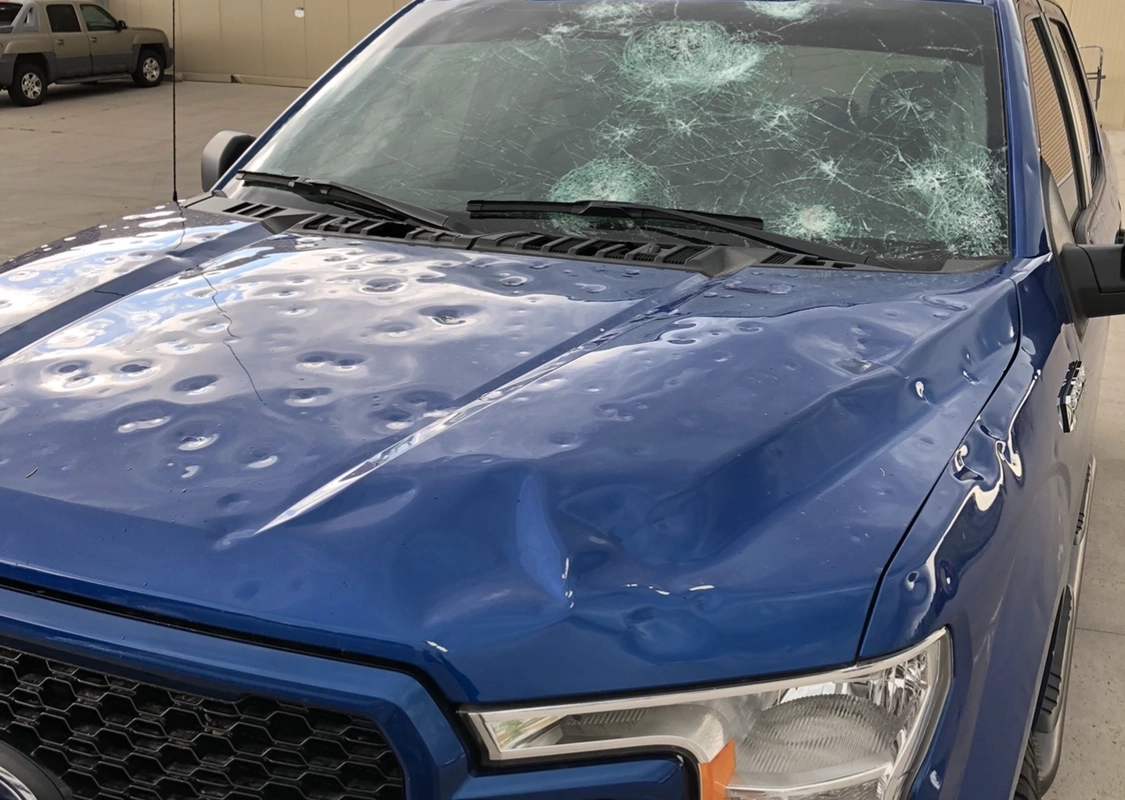
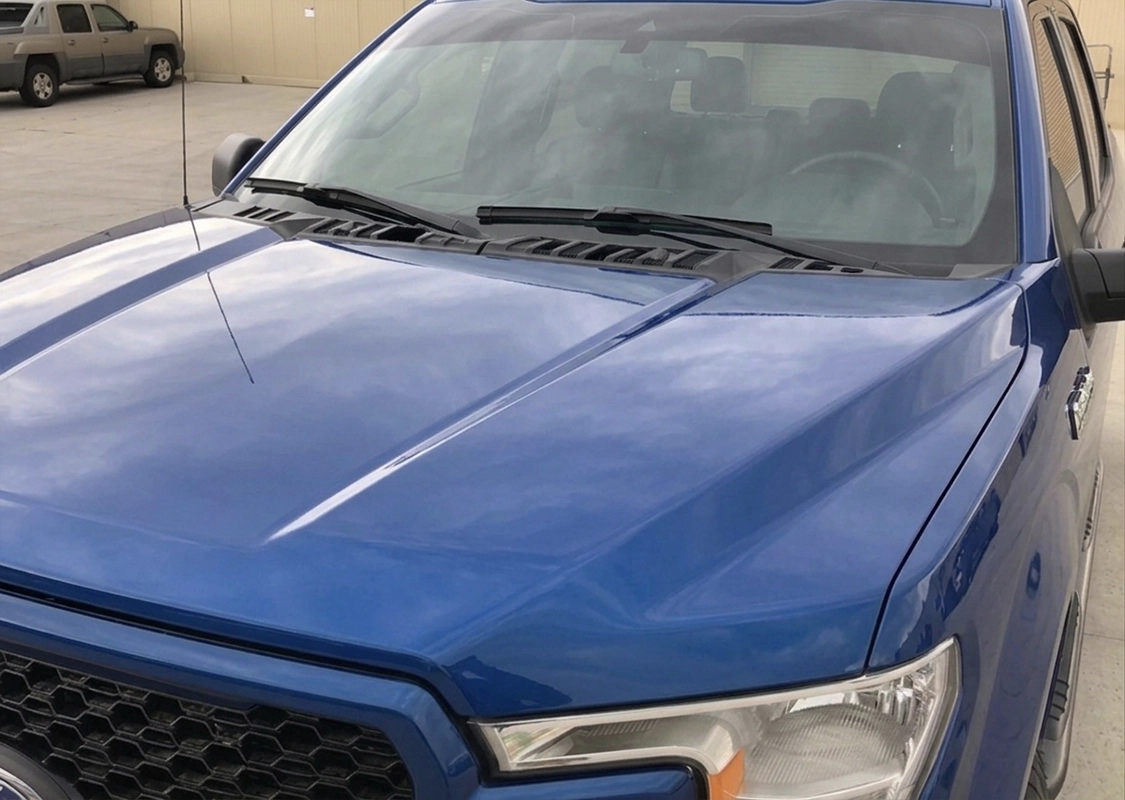
Total hail repair cost depends on how many panels are affected, how dense and deep the dents are on each panel, and whether any panels need color-matched paint work alongside dent repair, such as a dent with cracked paint at the point of impact. Vehicle size also plays a role, since a full-size truck or SUV has more total panel surface area to repair than a compact sedan, even at similar dent density. Unlike a single dent or door ding, hail damage is typically priced as a full-vehicle repair total once damage spans multiple panels, which is why insurance carriers and repair shops both work in severity brackets rather than itemizing every individual dent on a hail claim. Panel material factors in too: aluminum panels, increasingly common on trucks and EVs, require more controlled repair technique than steel, which can push a vehicle’s total slightly higher within its severity bracket if aluminum panels make up a larger share of the damage.
Why Claim Totals Vary
Why Two Similar-Looking Claims Can Cost Differently
It’s common for two vehicles that look similarly hail-damaged from a distance to end up with meaningfully different repair totals once properly inspected. A vehicle with wide, shallow dents spread evenly across flat panels is often faster and less expensive to repair than one with the same visual dent count concentrated in fewer, deeper impacts, since deeper dents take more time per repair even at the same surface size. Panel material mix matters here too, since a vehicle with aluminum hood and fender panels alongside steel doors will price differently than an all-steel vehicle with comparable damage. This is exactly why we build every estimate from an actual panel-by-panel inspection rather than a severity guess based on a quick look, since the difference between “looks bad” and “is actually severe” can shift your total meaningfully in either direction. Color and finish type can play a minor role as well, since certain premium paint finishes take more time to properly color-match if any touch-up work is needed alongside the dent repair itself.
Severity Brackets
Hail Damage Cost by Severity
Colorado hail claims generally fall into three severity categories, each with a different typical repair total.
Light hail damage
- scattered dents, mostly on one or two panels
Moderate hail damage
- dents across most panels, moderate density
Severe hail damage
- damage across every panel, including roof and trunk
These totals reflect paintless dent repair as the primary method, which is typically the most cost-effective approach for hail damage compared to traditional bodywork. Severity is determined during your inspection based on actual panel-by-panel damage, not a rough guess from a driveway glance, since roof and trunk damage in particular is easy to underestimate without a proper look under good lighting. Light hail damage is the category most likely to fall below or near a typical deductible, which is part of why some drivers with minor damage choose to pay out of pocket rather than file a claim at all. Severe hail damage, on the other hand, is the category most likely to approach a vehicle’s total-loss threshold, particularly on older vehicles, which we’ll cover in more detail further down this page.
How It Works
How We Determine Your Repair Cost
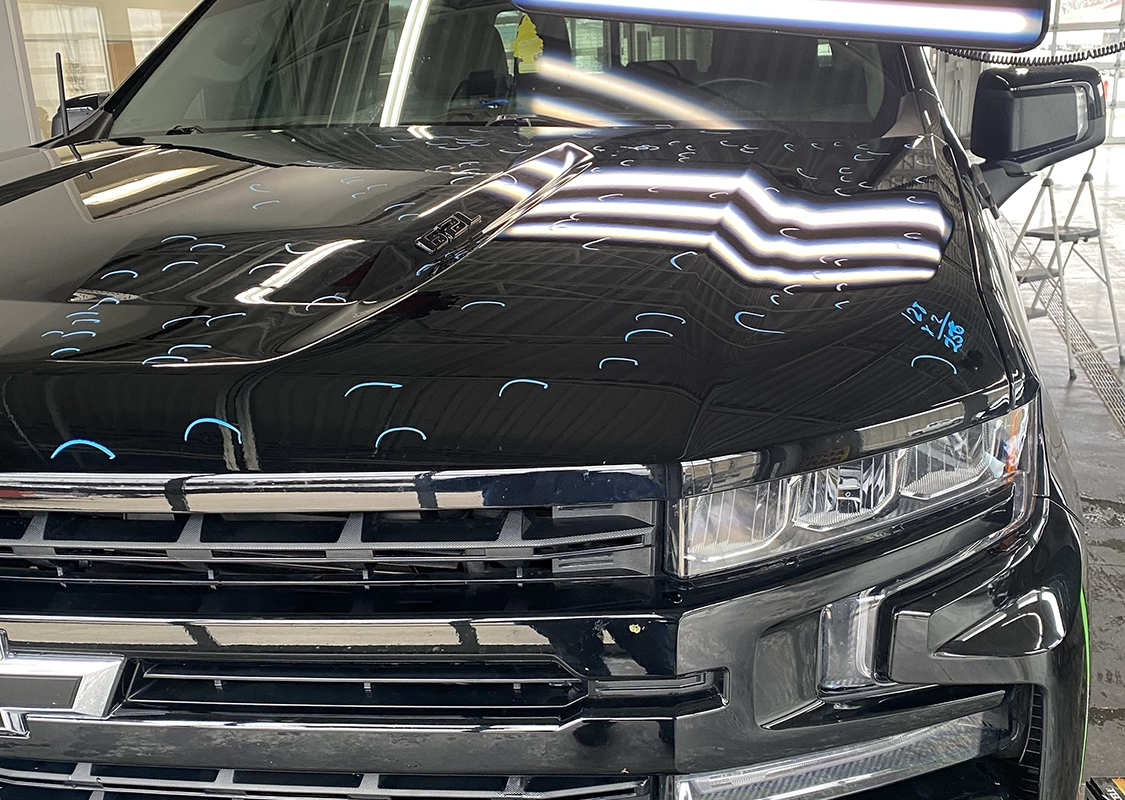
Getting an accurate total starts with a full inspection, not a quick estimate off a photo of the hood.
Hail Damage Repair Cost in Colorado
Contact us for a free hail damage inspection and an accurate repair cost estimate for your specific vehicle.
Your Deductible
What Your Deductible Actually Covers
Hail damage is typically covered under your comprehensive auto insurance, and in most cases your out-of-pocket cost is limited to your deductible rather than the full repair total, regardless of severity. That means a severe hail claim with a total repair cost well into the thousands can still cost you only your deductible amount out of pocket, since your insurer covers the difference. Deductible amounts vary by policy, typically ranging from a few hundred to around a thousand dollars, so it’s worth confirming your specific deductible with your insurer before assuming what your out-of-pocket cost will be. If your repair total comes in below your deductible, which is more common with light hail damage, paying out of pocket without filing a claim at all is often the better option. It’s also worth noting that filing a hail claim under comprehensive coverage is generally treated as a no-fault, weather-related event, which is a common concern for drivers deciding whether filing makes sense for their situation.
Total Loss Threshold
When Does a Car Get Totaled From Hail Damage?
Insurers typically declare a vehicle a total loss when the repair cost, combined with any other factors like diminished value, exceeds a set percentage of the vehicle’s actual cash value, a threshold that varies by insurance carrier and by state. [PLACEHOLDER: confirm Colorado’s specific total-loss threshold percentage before publishing.] This is more likely to come into play on older vehicles with a lower actual cash value, since a severe hail repair total that would be routine on a newer vehicle can exceed the total-loss threshold on a car that’s already worth less. Hail damage total loss situations are more common than many drivers expect specifically because hail affects the entire exterior of a vehicle at once, unlike a typical collision that’s usually contained to one area, which means severe hail damage can rack up a repair total across many panels simultaneously. If your insurer declares your vehicle a total loss, you’ll typically receive a payout based on its actual cash value rather than having the repair performed, and you can usually choose to keep the vehicle and its title status changes, or turn it over to the insurer as part of the settlement. Getting a second opinion on repair cost from an independent shop before accepting a total-loss determination is a reasonable step if you feel the initial estimate was inflated or incomplete, since a lower, more accurate repair total from a shop specializing in PDR can sometimes keep a borderline case under the total-loss threshold.
PDR vs. Traditional Repair Cost
Why Paintless Dent Repair Costs Less Than Bodywork
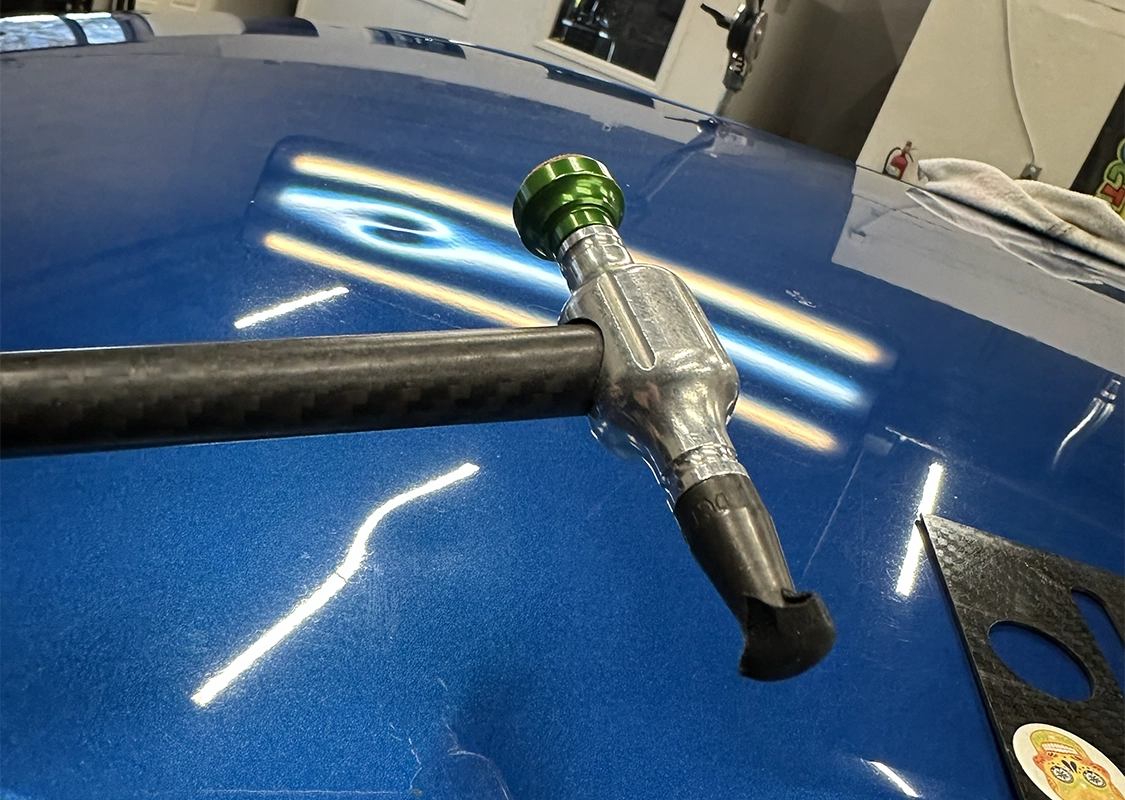
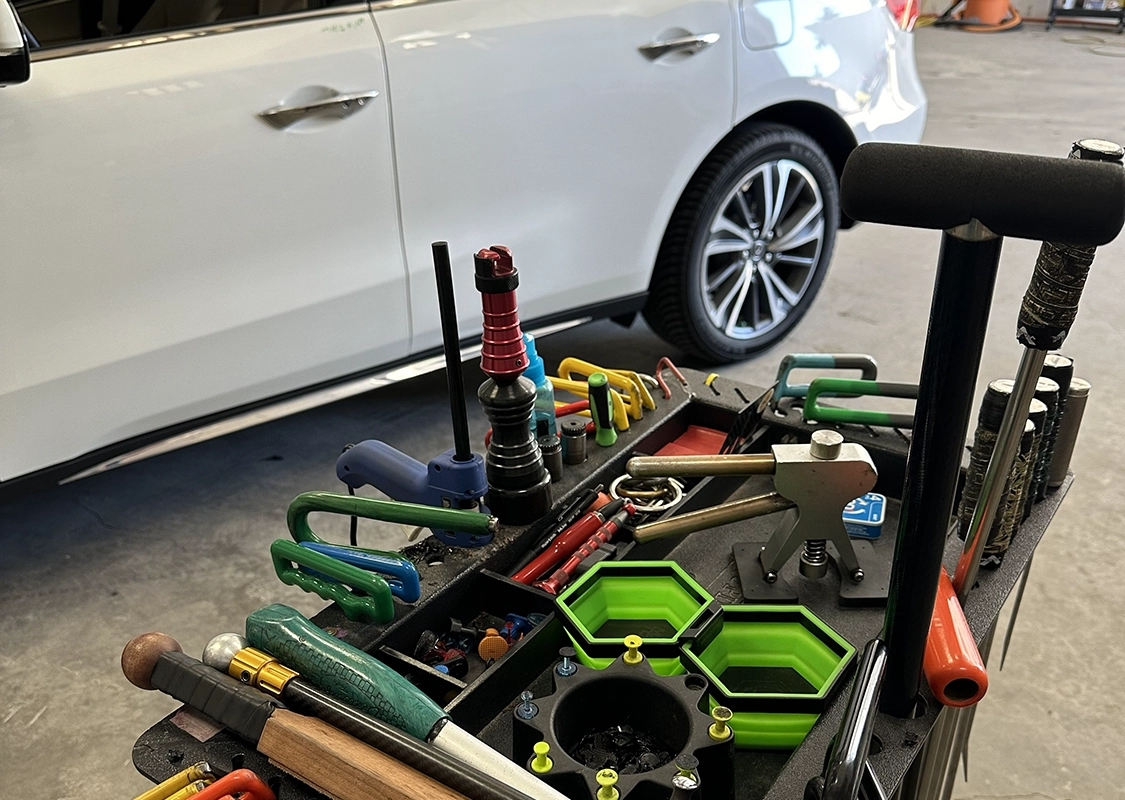
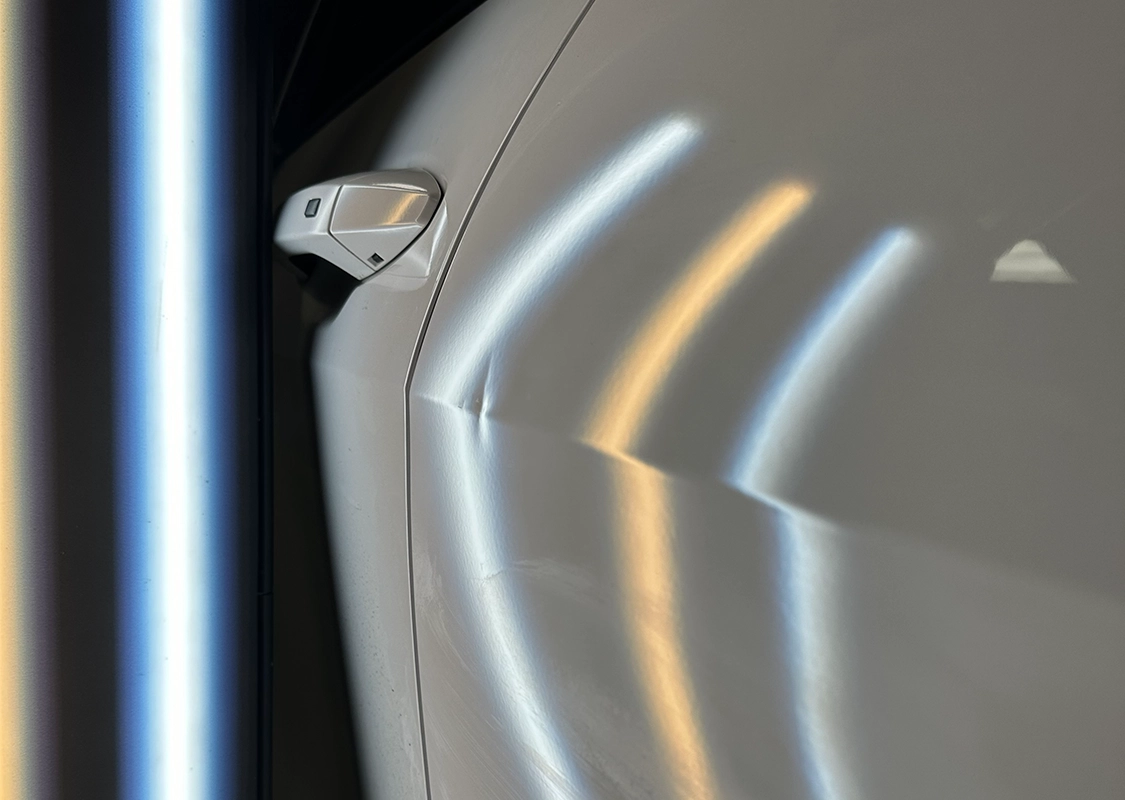
Traditional bodywork on hail damage involves filler, sanding, primer, paint, and clear coat across every damaged panel, which adds significant labor and material cost compared to paintless dent repair, which uses no paint or filler at all in most cases. This is part of why the severity brackets above assume PDR as the repair method; a comparable hail claim repaired through traditional bodywork would generally total meaningfully higher, which is also part of why more severe hail damage pushes closer to a vehicle’s total-loss threshold when a shop defaults to bodywork instead of PDR. For a detailed breakdown of per-dent and per-panel PDR pricing outside of a full hail claim, see our paintless dent repair cost guide. It’s worth asking any shop quoting your hail repair whether the estimate assumes PDR or traditional bodywork, since that single factor can be the difference between a routine repair and a total-loss conversation on a borderline vehicle.
Getting a Fair Estimate
Why Your Initial Estimate Matters
The first estimate on a hail claim sets the tone for everything that follows, whether that estimate comes from your insurer’s adjuster or an independent shop. An incomplete initial inspection, one that misses roof or trunk damage or underestimates dent density on a given panel, can lead to an approved repair scope that doesn’t actually cover the full damage, leaving you to push for a supplement later once the vehicle is already in the shop. This is part of why we document every panel thoroughly during inspection rather than working from a quick visual pass, since the goal is getting your claim approved for the right amount the first time rather than needing to renegotiate partway through the repair.
Coverage Area
Hail Damage Repair Cost Across the Denver Metro
We provide hail damage inspections and repair cost estimates throughout Denver and the surrounding Front Range, including Aurora, Lakewood, Arvada, Westminster, Thornton, Centennial, Littleton, Highlands Ranch, Parker, Castle Rock, and Colorado Springs. Severity brackets and deductible mechanics work the same way regardless of location, though your specific insurance policy and deductible amount are what ultimately determine your out-of-pocket cost. No matter which city you’re calling from, the same thorough panel-by-panel inspection process applies before any estimate is finalized.
Hail Damage Repair Cost FAQ — Colorado
How much does hail damage repair typically cost?
It depends on severity, ranging from a few hundred dollars for light, scattered damage to several thousand for severe damage across every panel. Contact us for an estimate based on your specific vehicle.
Will my insurance cover the full cost of hail damage repair?
In most cases, yes, under your comprehensive coverage, with your out-of-pocket cost limited to your deductible rather than the full repair total.
When does an insurer total a car from hail damage?
When the repair cost, combined with other factors, exceeds a set percentage of the vehicle’s actual cash value. This varies by carrier and is more common on older, lower-value vehicles with severe damage.
Is it worth filing a claim for light hail damage?
It depends on whether your repair cost exceeds your deductible. If the repair total is lower than your deductible, paying out of pocket is often the better option.
Does using paintless dent repair instead of a body shop lower my total claim cost?
Generally, yes. PDR typically costs less than traditional bodywork on hail damage, which can also help keep a repair below the total-loss threshold on borderline cases.
How is hail damage severity determined?
Through a full panel inspection, including the roof and trunk, measuring dent depth and density across the vehicle rather than a quick visual estimate.
What happens if I disagree with my insurer's total-loss determination?
Getting a second opinion from an independent PDR shop is a reasonable step, since a more accurate, lower repair estimate can sometimes change the outcome on a borderline case. We’re happy to provide an independent inspection and estimate for exactly this purpose.
Does the age of my vehicle affect whether it gets totaled?
Yes. Total-loss determinations are based on repair cost relative to actual cash value, so older vehicles with lower value are more likely to hit that threshold even with moderate damage, since there’s less value to work with in the comparison.
Get Started
Get an Accurate Repair Cost Estimate
Skip the guesswork. Contact us for a free hail damage inspection, and we’ll give you an accurate severity assessment and repair cost estimate based on your vehicle’s actual damage, not a rough phone estimate.